
Classic cars forum & vehicle restoration.
|
|
| Author |
Message |
roverdriver

Joined: 18 Oct 2008
Posts: 1210
Location: 100 miles from Melbourne, Victoria, Australia
|
 Posted: Sat Jul 05, 2014 12:59 pm Post subject: Almost Coast to Coast Drive in Australia Part 7 Posted: Sat Jul 05, 2014 12:59 pm Post subject: Almost Coast to Coast Drive in Australia Part 7 |
 |
|
If you have come across this story and wish to start from the beginning, Part 1 is here-
http://www.oldclassiccar.co.uk/forum/phpbb/phpBB2/viewtopic.php?t=15972
-----------------------------------------------------------------------------------
We awoke, in Esperance, to a foggy morning, packed up and set off Northwards. Although there was little traffic about, we had to drive fairly slowly and carefully, but then came up behind a truck and then could drive a little more relaxed by keeping him in sight. The fog must have been a low band, as we could often see the orb of the sun, quite bright, through it.
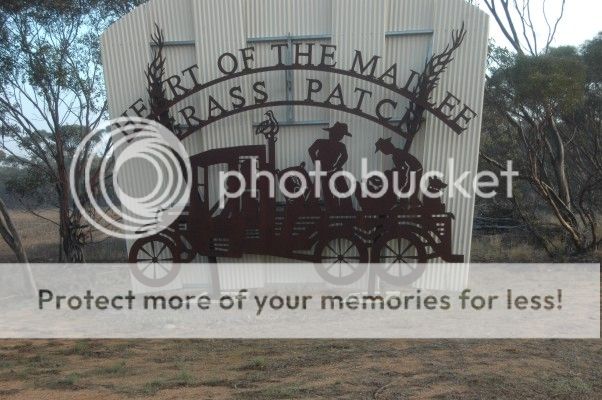
At the district of Grassy Patch, we stopped for a short while for photographs.
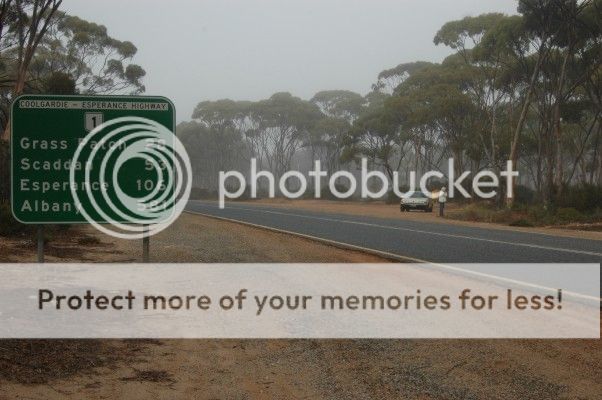
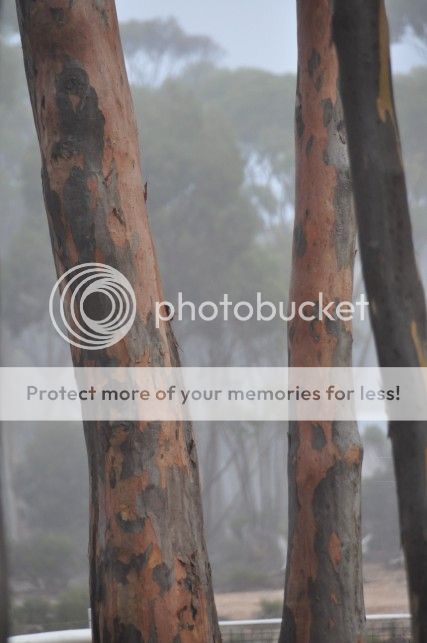
Then a few miles further on we came to Salmon Gums, so named for the coloured trunks of the gum trees (Eucalypts)
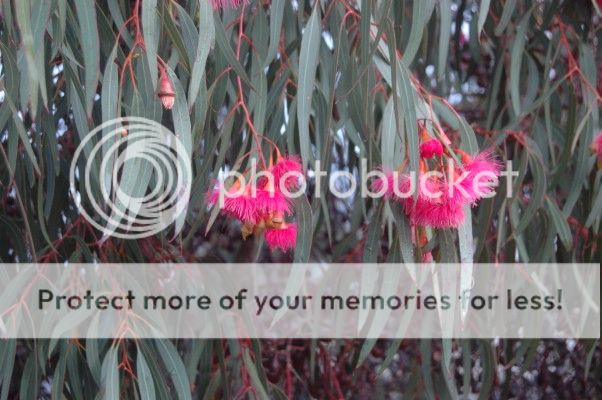
In the township itself, part of the main street had some lovely flowering gums.
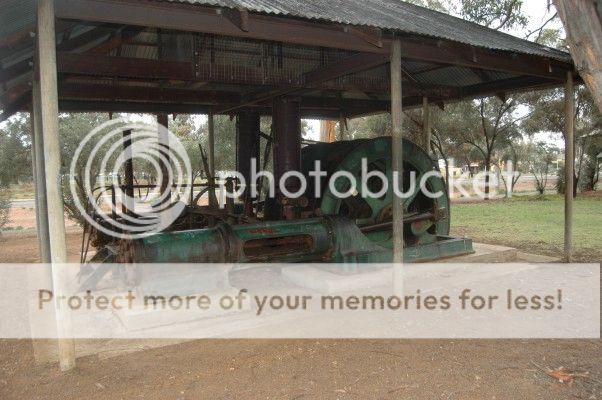
On we went and by the time we got to Norseman the fog had gone. We approached the town from the South this time so stopped at a park with a display of mining machinery that we had not seen on our way through before.
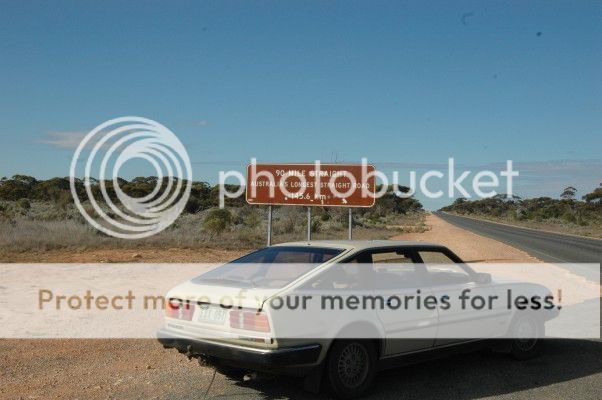
After re-fuelling we turned to the East and started again on the Eyre Highway. Once more we passed Belladonia, and once more traversed the long straight.
We stopped to photograph this building, standing out all on its own, but it was fenced off, so I remained outside the fence.
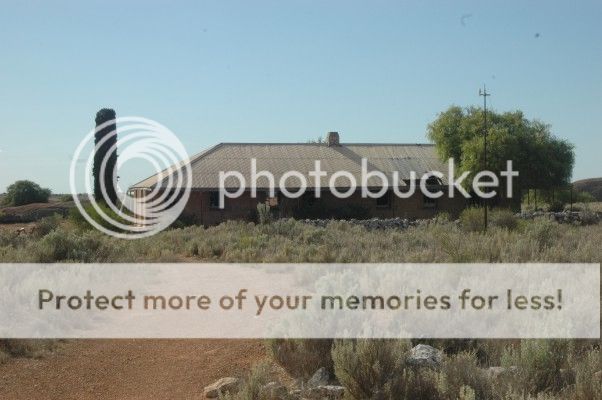
I am guessing that it was used as a homestead for many years, but was probably one of the repeater stations on the East-West telegraph line of 1877. There are still a couple of the unique telegraph poles near the building.
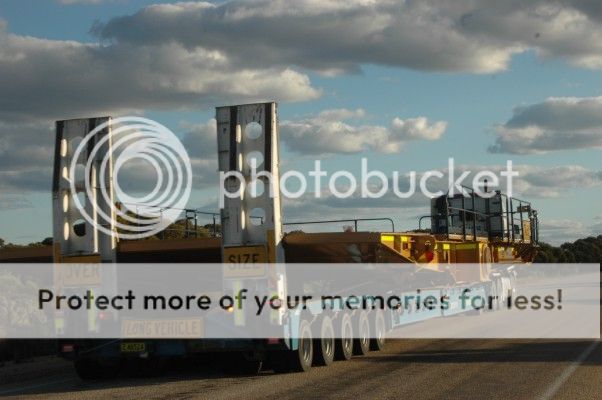
Late in the day a vehicle with flashing lights approached, indicating an oversize vehicle following. We pulled right over and stopped to allow it by.
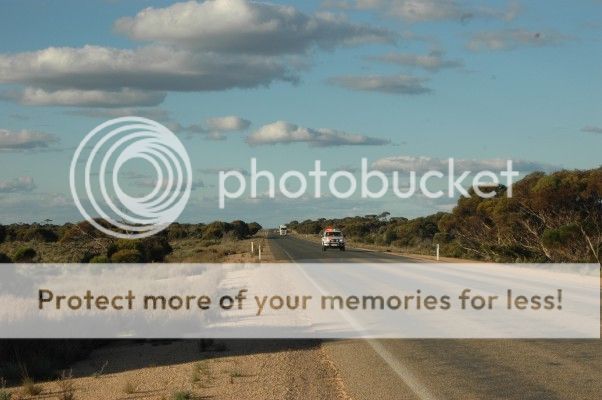
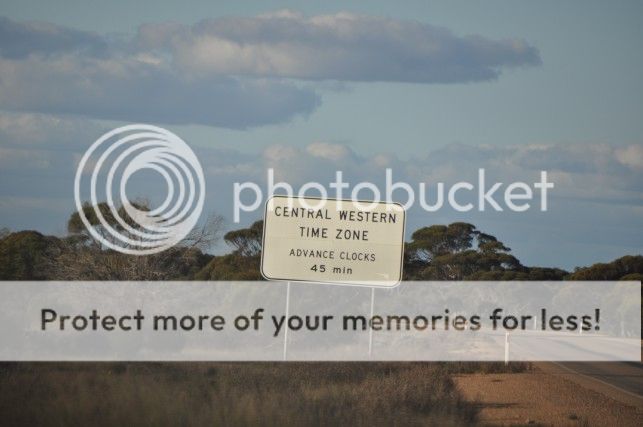
We again became time travellers. This notice appeared just before Caiguna.
Late in the day we stopped for the night at Cocklebiddy again. We had been impressed on our way over, so decided to stop there again. This time we were the only ones in the restaurant dining room, and chatted to the cook about the difficulties involved in his work, planning meals for an unknown number each day, and the problems of supplies arriving only once a week.
Cocklebiddy is the location of one of the holes of the Nullarbor Links- the longest golf course in the world. The ends are at Kalgoorlie and Ceduna respectively. The holes are named, not numbered, so they can be played in either direction. There is a link, if interested here-
http://www.nullarborlinks.com/
From one end to the other is 1,385 K's. The hole at Cocklebiddy is called the Eagles Nest.
Next morning there was another blanket of fog. We battled through it in the dark, hoping to reach the lookout at Madura for sunrise. The fog cleared and we did get there, but there was little cloud so no spectacular light display.
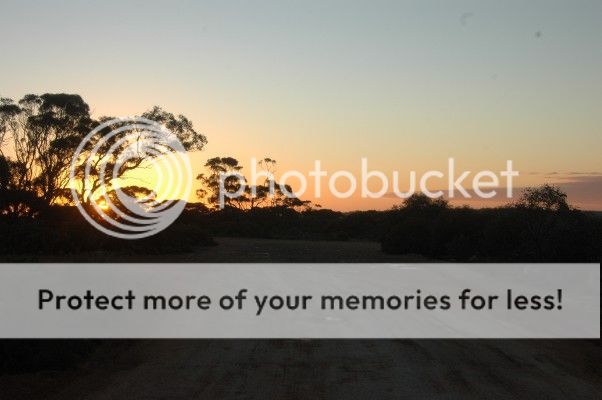
After some photos and a drink we continued on. Just before Maandrabilla, the odometer indicated that we had covered 6,000 k's (3728 miles) since starting out from home, but of course now we were on our way home- just a couple of thousand k's to go!
We had planned a stop at Eucla. We had visited here in 1975, and although some things, like the new roadhouse, had changed, some were similar. We went to see the ruins of the telegraph station.
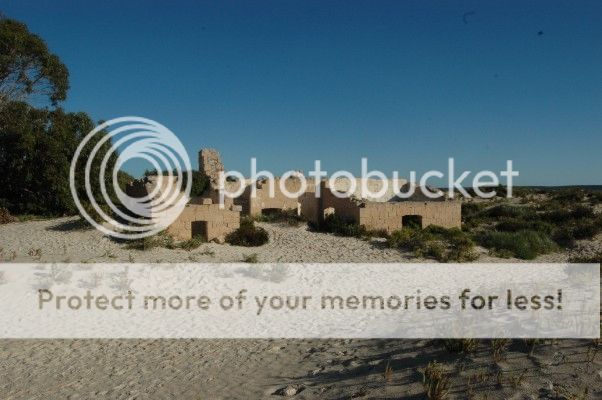
Although still there, more sand had filled the ruins, and it was hard to work out the angle that this 1975 photo was taken from-
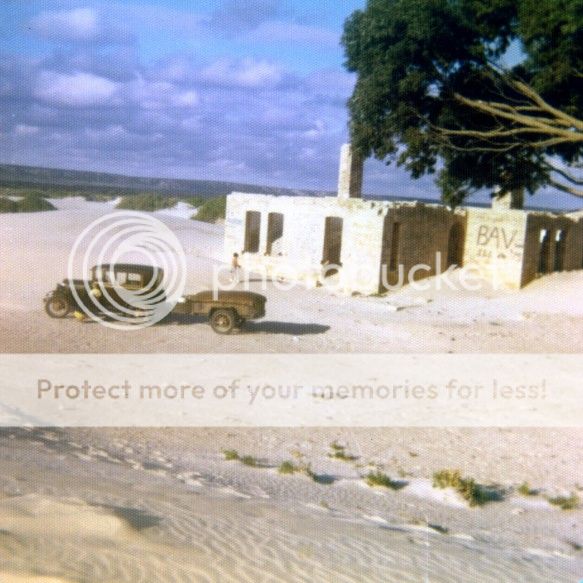
The East West telegraph line was built after the Overland line from Darwin, through Alice Springs, to Adelaide, linked the Eastern states to England and Europe. An amazing feat of engineering to bring the line overland through largely inhospitable territory in 1872. The East-West line was not much less a feat of logistics and engineering and it linked Western Australia to the Eastern states, as well as points beyond. That line opened in 1877.
At the time, what now exist as states of the Commonwealth, then were all separate colonies. There were even customs posts at the borders. The Eucla station, being very close to the border was, I believe, manned by South Australian operators on one side, who wrote down the Morse message from the East, then passed the paper to their opposite Western Australian operator, who then tapped the message on. The reverse happened for messages in the other direction.
Here is the building as it was in early 1900's
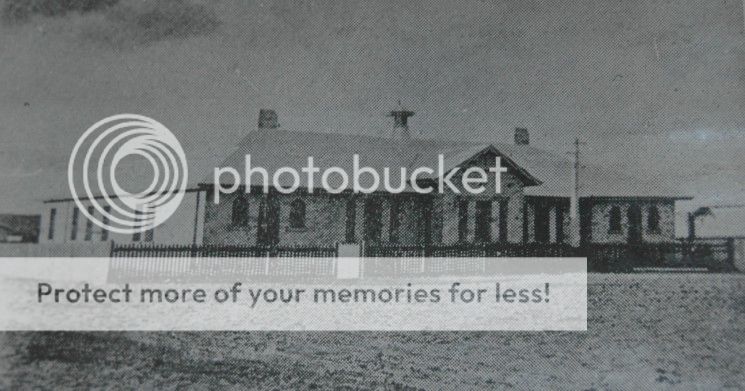
After 1917 the line became redundant, as a new system followed the new railway line across the plain.
We examined the small museum at Eucla, then set off on our way again, finally reaching the edge of the South Australian wheat lands and arriving in Ceduna by 5.00. Yesterday Esperance to Cocklebiddy was 694 K's (431 miles) and this day we covered 823 k's (511 miles).
It is interesting to note that although we were re-crossing countryside that we had seen only a few days before, we were never bored by it. There was always some thing, often quite small, to take our attention and roadside vegetation changed rapidly as we progressed. There was always plenty to observe and talk about.
Next morning, as usual we were up while it was still dark, but in the early light made a short tour of Ceduna.
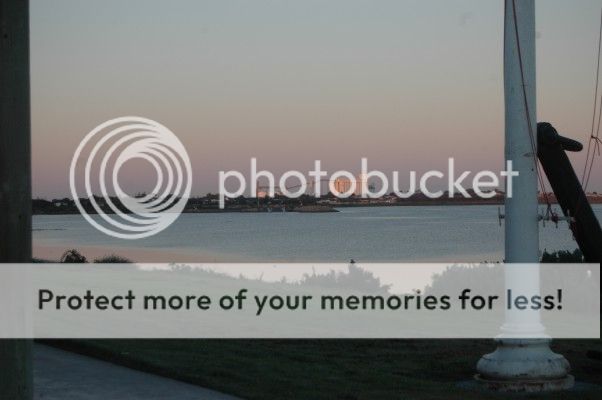
As you can see, huge grain silos dominated the port area.
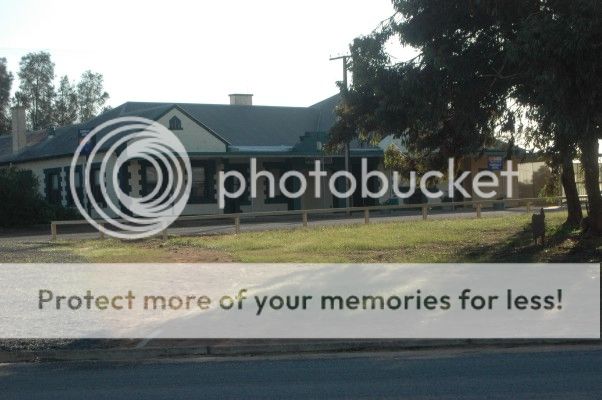
Now we set off. The road signs informed us that Port Augusta was 466 k's away, and we started re-crossing the northern end of the Eyre Peninsula, and re-visiting the towns there. We passed through Wirrula, marked by the inevitable rail-side silo, with a small village attached, and a rather nice-looking pub.
Then moved on. About 75 k's further on, as we approached another silo we decided to stop for a drink, and rather than pause on the main road, we crossed the railway line and stopped opposite the silo. As we got out of the car we realised that alongside us was a magnificent open air museum. There was a fully equipped blackmith shop in one shed, a collection of farm machinery in another, various items of machinery in the open, and this-
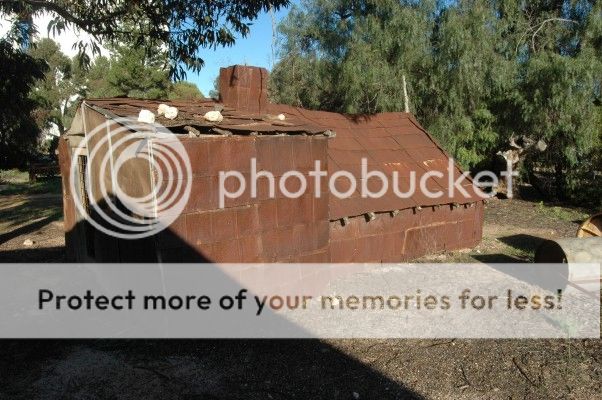
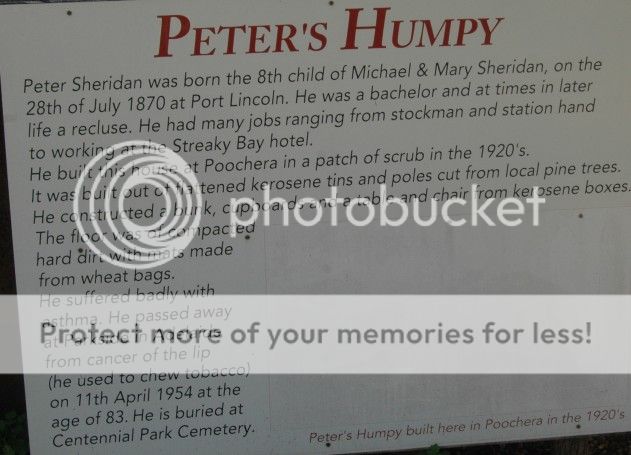
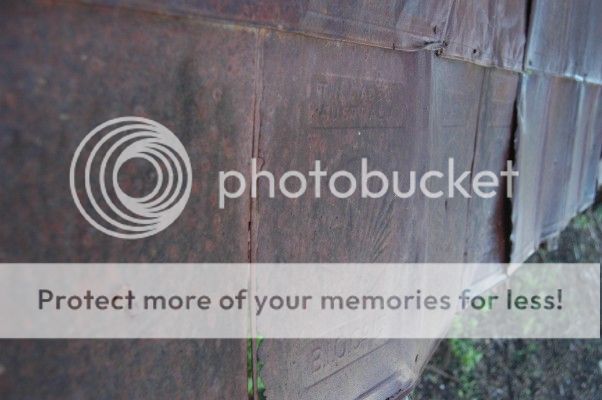
Now, that write-up mentions kerosene tins, however a lot of the roof is made from petrol tins as you can just make out the embossed symbol on this one-
Today, few people realise that in the early days of motoring in Australia, petrol was bought in 4 gallon tins, and those tins were packed two to a case, like this one-
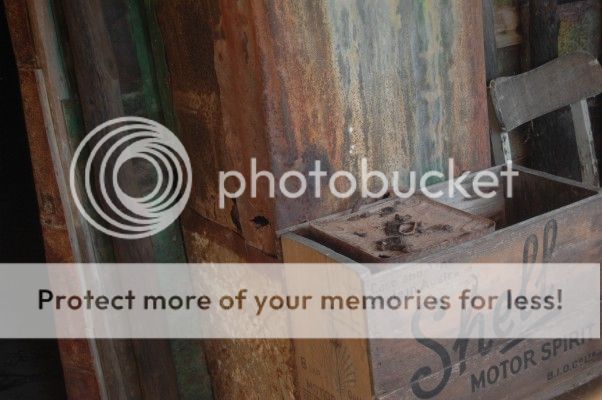
If you think about it, the long distance traveller, had only to buy a few cases of petrol, and somehow stow them with his luggage, in order to drive many many miles, far beyond the capacity of his fuel tank.
Here are a couple of vehicles in the sheds of the museum-
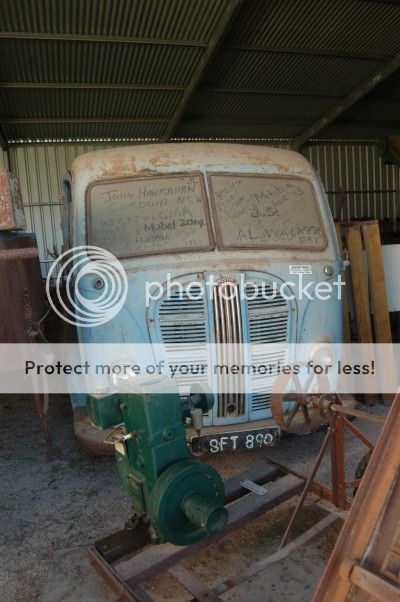
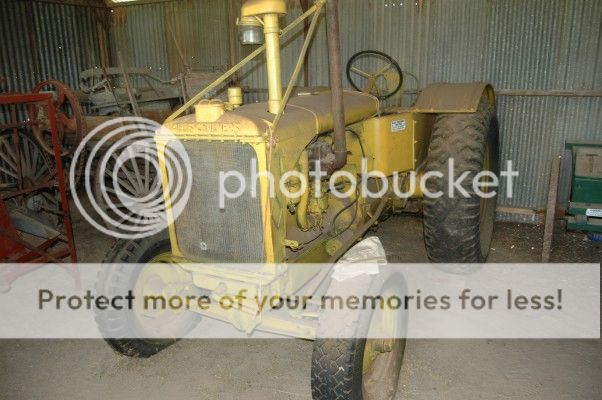
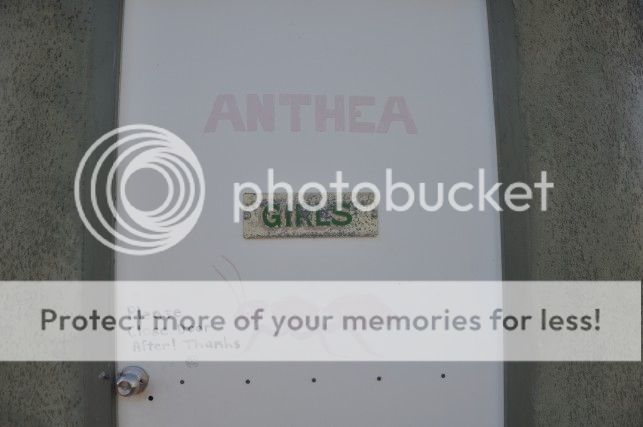
This little township, Poochera, is unfortunately nearly dead. The police station closed some years ago, the pub is empty and up for sale, the only visible business is the roadhouse on the highway, and yet, apart from the silo and railway siding, and the museum, Poochera has another claim to fame- Ants, and rather special ones at that.
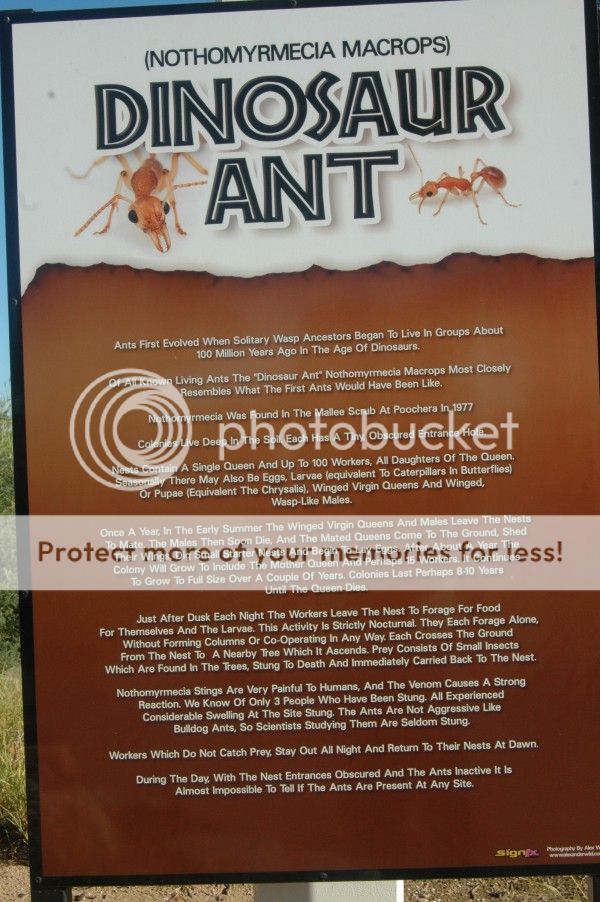
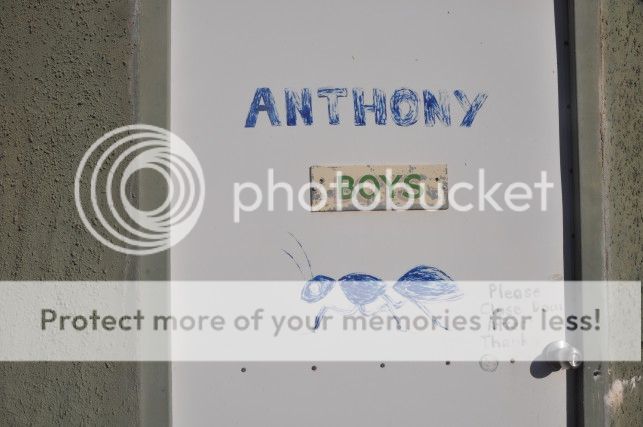
The ant theme is made use of in some of the written material and even on the doors of the public toilets-
Leaving here, we motored on to Wudinna, a somewhat larger township, where we visited a branch office of the bank for fund replenishment. I managed to get into conversation with a farmer from close to the tip of the Eyre peninsular. He said he had a little place down there, and ran sheep and grew a bit of wheat and a little bit of canola. he eventually admitted to 5,000 acres of wheat, but didn't mention how much land was used for his other activities.
By midday, we were back at Kimba- the town that claims to be 'Half way Across Australia'. We fuelled up there and set off again. We passed by Iron Knob, and by 3.00 p.m pulled in to Port Augusta. After a short visit to the Tourist Information center, (we were seeking a way past Adelaide without having to go through it), I said to Noreen that I could manage about another hour of driving, so off we went again. Ir was a bit over the hour when we turned off the highway to the town of Crystal Brook. We were lucky to secure the last available cabin at the camp site- yes it was Friday night of South Australia's turn for a long weekend!
Here I am doing my usual checks on the car before nightfall ready for our start in the morning.
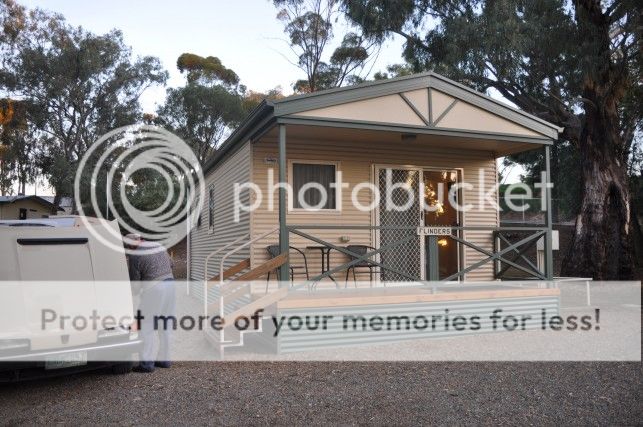
Now, in South Australia, we are getting closer to our own 'Eastern Standard Time' as used in Victoria, so only a half hour difference as opposed to a two hour difference in Perth.
Part 8 and the conclusion can be found here-
http://www.oldclassiccar.co.uk/forum/phpbb/phpBB2/viewtopic.php?t=16088
_________________
Dane- roverdriver but not a Viking. |
|
| Back to top |
|
 |
|
|
You cannot post new topics in this forum
You cannot reply to topics in this forum
You cannot edit your posts in this forum
You cannot delete your posts in this forum
You cannot vote in polls in this forum
|
php BB powered © php BB Grp.
|
 FAQ
FAQ Search
 Memberlist
 Usergroups
 Profile
 Log in to check your private messages
 Log in



