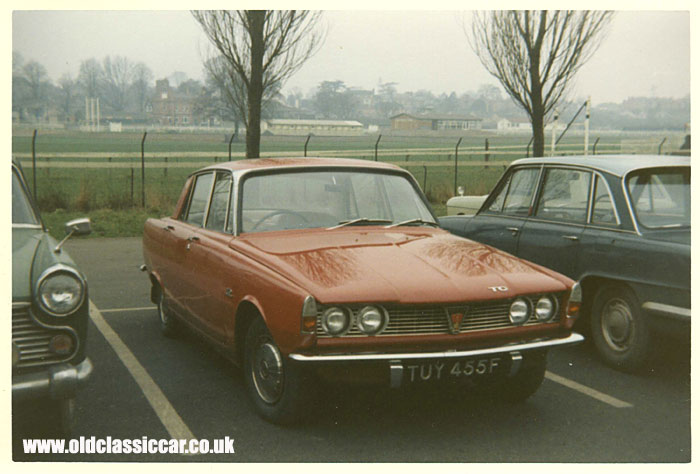
1. Rover P6 2000 TC saloon.
Unusually for the old photos section of the site, a colour picture! This one is dated on the back as January 1969, and it shows a smart red Rover 2000 TC resting in a car park, with various motorcars from the BMC stable parked nearby. TUY 455F is a Series 1 Rover P6 of 1967/68, a fact backed up by its stainless grille and body-colour sills. Later Series 2 cars would have a black plastic grille, rear quarter roof panels and sill covers. The UY code suggests that the car was registered in the Worcestershire area, perhaps only a year or two before this photo was taken. Alongside is a Farina-shaped Morris Oxford, and, on the other side, a Triumph 2000. Just visible in the background is an Austin A40.
|
|
|
The P6 series was a radical change in direction for the hitherto very traditional Rover marque. Signs that the company wished to shed their worthy-but-steady image had been apparent for some time, not least with their previous dabbling with the gas turbine experimental cars. The fact that the new P6 of 1963 was so very different from the earlier P4 and P5 designs should have come as no great surprise. The new Rover received a very warm reception with motoring pundits and the public alike, so much so that the 2000 earned the Car of The Year gong in 1964. Monocoque construction, disc brakes on all four corners, and it's sharp-suited image really brought Rover name to a younger market. The P4 by comparison was beloved of bank managers and chaps in bowler hats, but would struggle to win over the hearts of anyone much under the age of 50. The P6 though would change all this.
|
2. A 1966 Rover 2000 in white.
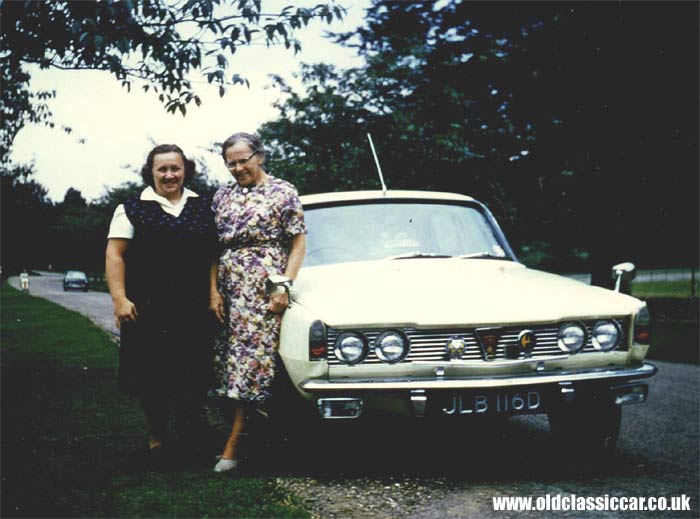
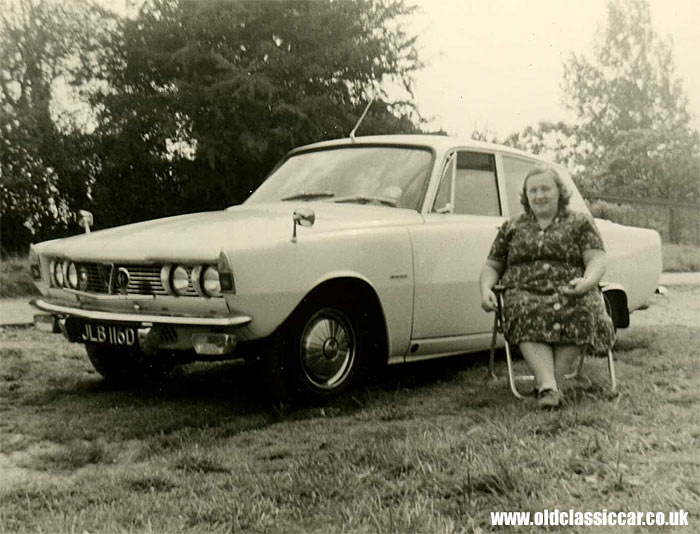
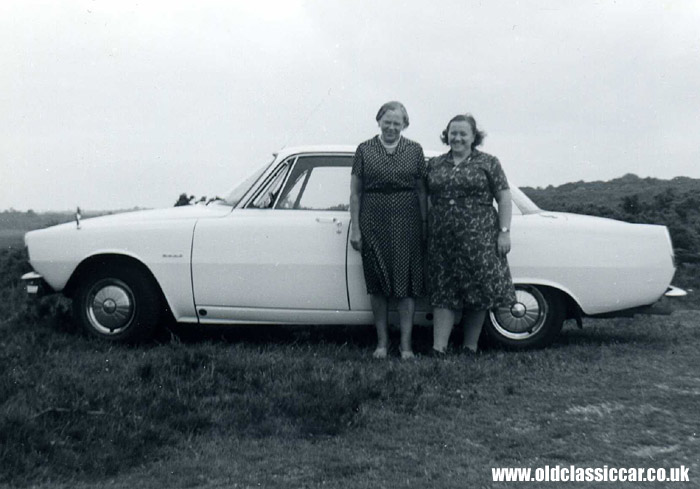
Next to feature, three photos of a 1966-registered Rover 2000 finished in white. There are no signs of a TC badge on the bonnet, suggesting a single-carb model. The first photo, again a colour shot, shows the Rover in the mid-1970s, and looking to be in very fine fettle.
|
| (Please click the thumbnail to view full-size image.) |
|
|
|
The second and third images in this set show the same Rover, but a few years earlier. The car doesn't look any different. The registration - JLB 116D - was used in London, this particular series of registrations commenced in January of 1966.
|
|
|
|
|
3. A later Rover 2000SC.
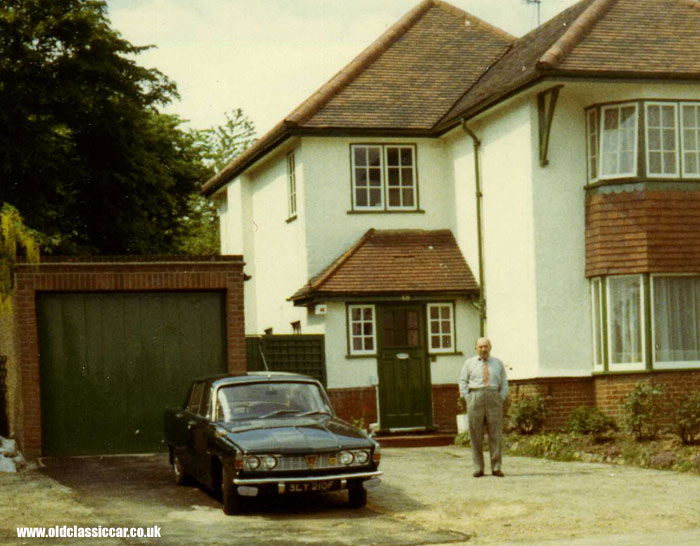
This next shot of a classic Rover P6 2000SC was found bundled in with the photos of the white car shown above. Registered as SLY 210F, this P6 dates to 1967 or 1968 and suggests that the car was owned in the London area. Developed in August 1970, this image shows a typical scene in a smart, well-to-do, suburban setting of the early 1970s. Dampness on the driveway and garage door suggest that both the car and the door behind had received a quick rinse prior to this photo being taken.
|
|
|
Under the Rover P6's bonnet.
Early cars would feature a 2 litre engine under the bonnet (the car had been designed with gas turbine propulsion in mind, but this never made it to market), and in 1968 the 3500cc V8 version would join the ranks, as an automatic only to begin with. The red Rover 2000 shown at the top of this page is a TC model, powered by the same 2 litre four cylinder engine as the first cars but benefiting from a twin carb setup. The TC hit the Rover dealers in October of 1966. The Series 1 would be replaced by the Series 2 late in 1970, giving the design a make-over although to most people's eyes, the original Series 1 is the purer looking design.
The P6 Rover is one of those cars that can be a real pleasure to own if in top condition, and a nightmare if it has been left to rot in the corner of a muddy field. Corrosion can eat away at the core structure of the car, easily hidden by the bolt-on exterior panels which are straightforward to swap over for better examples. Engine-wise things are fairly well catered for, and there are a number of Rover clubs and specialists around who will offer advice to ease the pain of restoring a down-at-heel example. Parts regularly turn up for sale in the classic car magazines and online classified pages, such as those in the Rover spares section here at oldclassiccar. A number of books are available to help owners restoring their own 2000, 2200 or 3500 Rover P6.
|
|
In the Car Magazine section of the site, I've included a look at the in-house Rover magazine, issued to dealers and distributors only. Please click here to read about a copy from the Winter of 1962/1963.
|
|
While a very good car, the 2000 isn't perhaps the first car that would spring to mind when thinking about building a racing car. However, for the 1970 season, two Rover 2000s were sent away for development by the Competitions Department. An example of the resulting, fire-breathing, 4.3 litre race cars, can be found on the Rover P6 (4.3) racing car photo page.
|
|
Return to Old Vehicle Photos Page 7.
|